Electric car
An electric car is an automobile that uses electrical energy as its primary source of propulsion. The term most commonly refers to a plug-in battery electric vehicle (BEV), which draws exclusively on energy stored in on-board battery packs, though it can also encompass plug-in hybrid electric vehicles (PHEVs), range-extended electric vehicles (REEVs) and fuel cell electric vehicles (FCEVs), which generate electricity from additional fuels via a generator or fuel cell.
In 2025, worldwide sales of plug-in electric cars reached 21 million units, representing one quarter of all new car sales globally and a rise of more than 20 percent on 2024 figures, marking the technology's transition from a niche product to a mainstream segment of the automobile market.
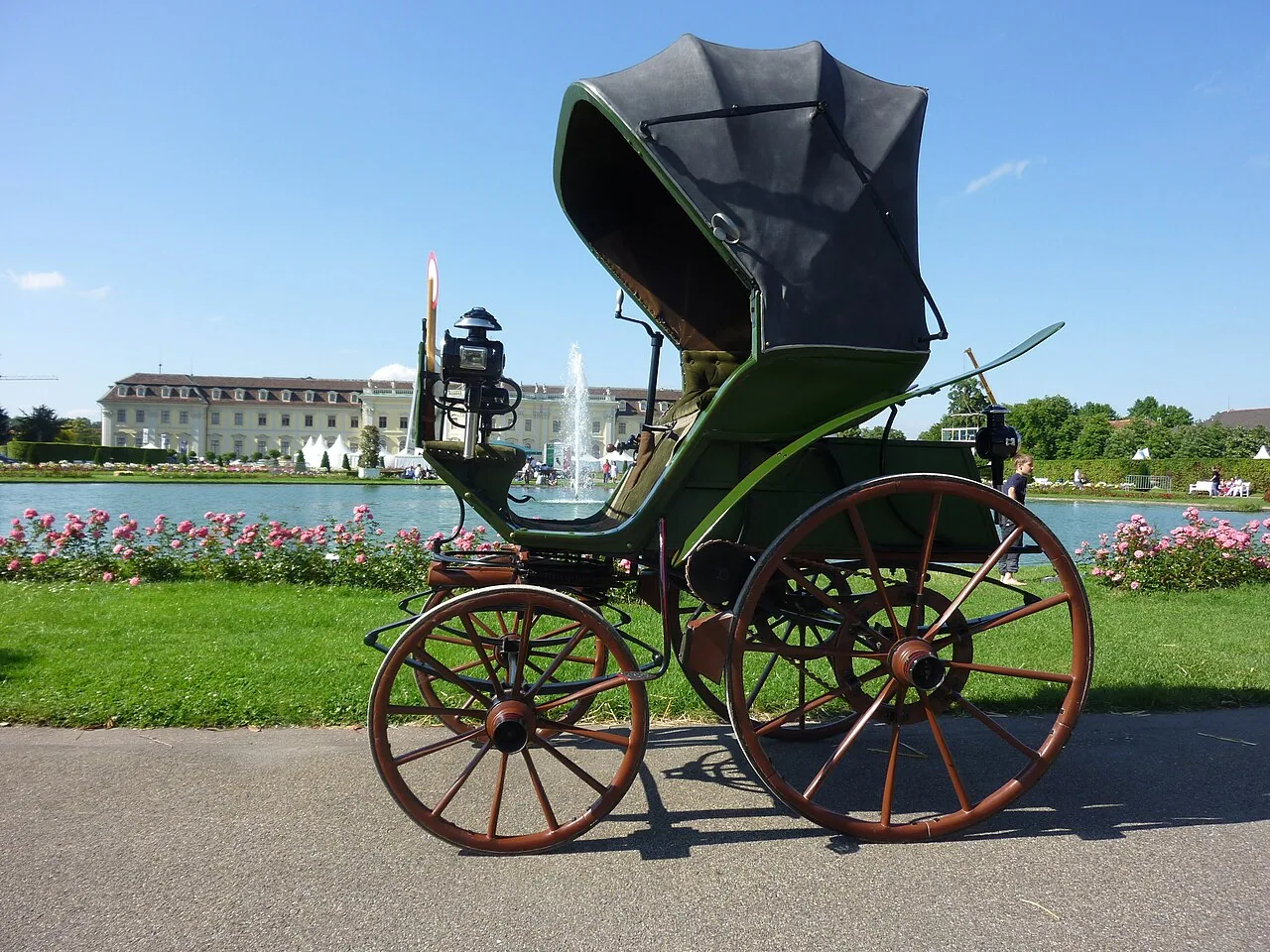
| Primary category | Battery electric vehicle (BEV); also PHEV, REEV, FCEV |
| Propulsion energy source | On-board rechargeable battery pack (BEV); supplementary generator or fuel cell (PHEV/REEV/FCEV) |
| Global plug-in sales (2025) | 21 million units — 25% of new car sales |
| China vehicle stock (end-2024) | 31.4 million new energy vehicles, including 22.09 million BEVs |
| First electric car milestone — 1 million sales | Tesla Model 3, June 2021 |
| Best-selling car worldwide (2023) | Tesla Model Y |
| Earliest documented electric carriage | Robert Anderson, Scotland, 1832–1839 |
| First recognised purpose-built electric car | Andreas Flocken, Flocken Elektrowagen, 1888 |
| Total cost of ownership (as of 2020) | Lower than equivalent ICE vehicles in the US and EU, owing to reduced energy and maintenance costs |
Definition and Terminology
The term 'electric car' is most precisely applied to battery electric vehicles (BEVs), sometimes called all-electric cars. A BEV carries a rechargeable battery pack that can be connected to the electrical grid or to a domestic solar installation, and the electricity stored on the vehicle is the sole energy source driving the wheels.
The term 'electric car' is generally understood to refer to highway-capable automobiles. A separate category, known in the United States as Neighborhood Electric Vehicles (NEVs) and in Europe as electric motorised quadricycles, covers lower-speed machines subject to restrictions on weight, power output and maximum speed that limit them to certain public roads.
Broader usage of the term can extend to plug-in hybrid electric vehicles, range-extended electric vehicles and fuel cell electric vehicles. These types differ from pure BEVs in that they can convert power from an additional fuel source — through an on-board generator or a fuel cell — to supplement or replace the battery's stored energy.
How Does an Electric Car Differ from a Conventional Vehicle?
Electric cars are quieter in operation than internal combustion engine (ICE) vehicles and deliver more responsive acceleration. Because electric motors convert energy with superior efficiency, they also generate substantially less waste heat than petrol or diesel engines, reducing the need for the large, complex cooling systems characteristic of ICE drivetrains.
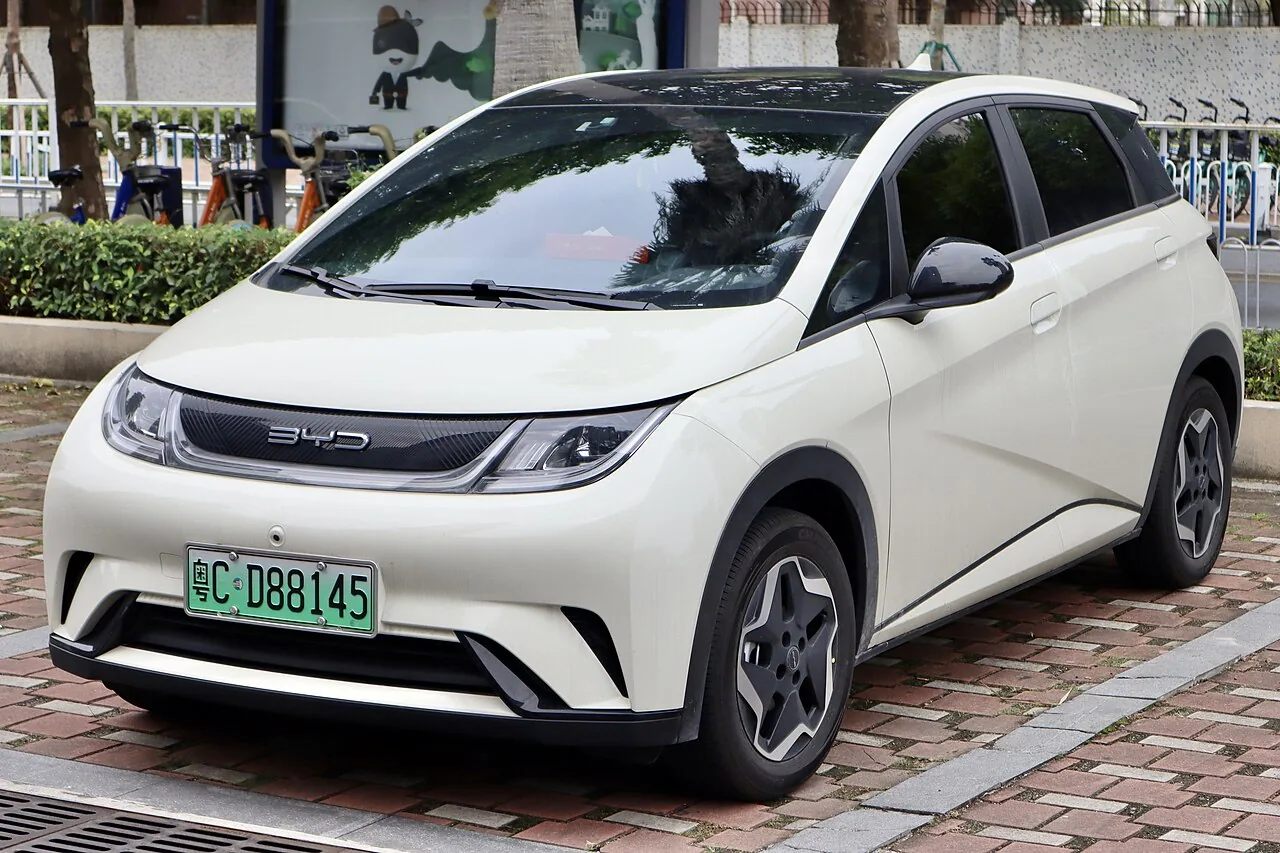
Unlike ICE vehicles, BEVs produce no tailpipe emissions during operation. When lifetime emissions are measured across the full cycle — from manufacturing through daily use to end of life — electric cars generally show a lower overall carbon footprint than comparable ICE vehicles, even where the electricity supply is partly derived from fossil-fuel power stations.
Manufacturing an electric car typically generates higher greenhouse gas emissions than producing an equivalent ICE vehicle, primarily because of battery production. However, those additional manufacturing emissions are offset during the vehicle's operational life. As of 2020, the total cost of ownership of recent electric vehicles in the United States and the European Union was lower than that of equivalent ICE cars, a consequence of reduced energy costs and simpler maintenance requirements.
Battery Thermal Management
Although electric cars require no engine cooling in the conventional sense, they are not entirely free of thermal management requirements. Battery packs must be kept within defined temperature ranges to operate safely and to preserve their longevity, so many EVs are equipped with dedicated thermal management systems for the battery.
This requirement means that while the elimination of a conventional cooling circuit simplifies the drivetrain considerably, it is replaced by a different form of climate engineering targeted at the battery rather than the motor.
Charging Technology and Infrastructure
The battery of a plug-in electric car is recharged by connecting it to an external electricity supply. Depending on local regulations and the requirements of electricity utilities, charging equipment can be installed in private homes, parking garages and public areas, giving owners multiple options for where and when they recharge.
Research, development and deployment continue on alternative approaches to replenishing energy on electric cars. These include battery swapping, in which a depleted pack is physically exchanged for a charged one, and inductive charging, which transfers energy without a physical cable connection.
Despite growing infrastructure, range anxiety — concern that the battery will be depleted before a charger is reached — and the time required to complete a charge remain psychological barriers for some consumers, particularly in relation to fast chargers. Governments and vehicle manufacturers have introduced initiatives aimed at expanding charging networks and improving accessibility in order to address these concerns.
When Did the Electric Car Begin?
The origins of the electric car predate the internal combustion engine. Between 1832 and 1839, the Scottish inventor Robert Anderson built a crude electric carriage, establishing the basic principle. Experimental development accelerated through the 1880s: in 1881, Gustave Trouvé demonstrated an electric car powered by an improved Siemens motor at the Exposition internationale d'Électricité de Paris, and in 1882 Werner von Siemens presented the Electromote in Berlin, the world's first trolleybus.
In England, Thomas Parker constructed an electric car in Wolverhampton in 1884, using high-capacity rechargeable batteries of his own design — although the sole surviving documentation is a photograph dated 1895. Four years later, in 1888, the German inventor Andreas Flocken designed the Flocken Elektrowagen, widely regarded as the first fully realised electric car. In 1890, William Morrison introduced the first practical electric car to the United States.
By the late 19th and early 20th centuries, electricity was among the favoured propulsion methods for automobiles, offering comfort and ease of use that the internal combustion technology of the era could not match. The electric vehicle fleet reached a peak of approximately 30,000 vehicles during this period.
Commercial deployment followed quickly: in 1897, electric cabs entered service in both Britain and the United States. In London, Bersey electric cabs became the first self-propelled vehicles available for hire at a time when cabs were otherwise horse-drawn. That same year in New York City, a fleet of twelve hansom cabs and one brougham, based on the Electrobat II design, was introduced as part of a project part-funded by the Philadelphia Electric Storage Battery Company.
Early Manufacturers
During the 20th century, prominent United States manufacturers of electric vehicles included Anthony Electric, Baker, Columbia, Anderson, Edison, Riker, and the Milburn Wagon Company, maker of the Milburn Light Electric. These companies served a market in which electric propulsion was a genuine competitor to petrol power before the broader adoption of the internal combustion engine rendered them commercially marginal for several decades.
Global Market and Leading Models
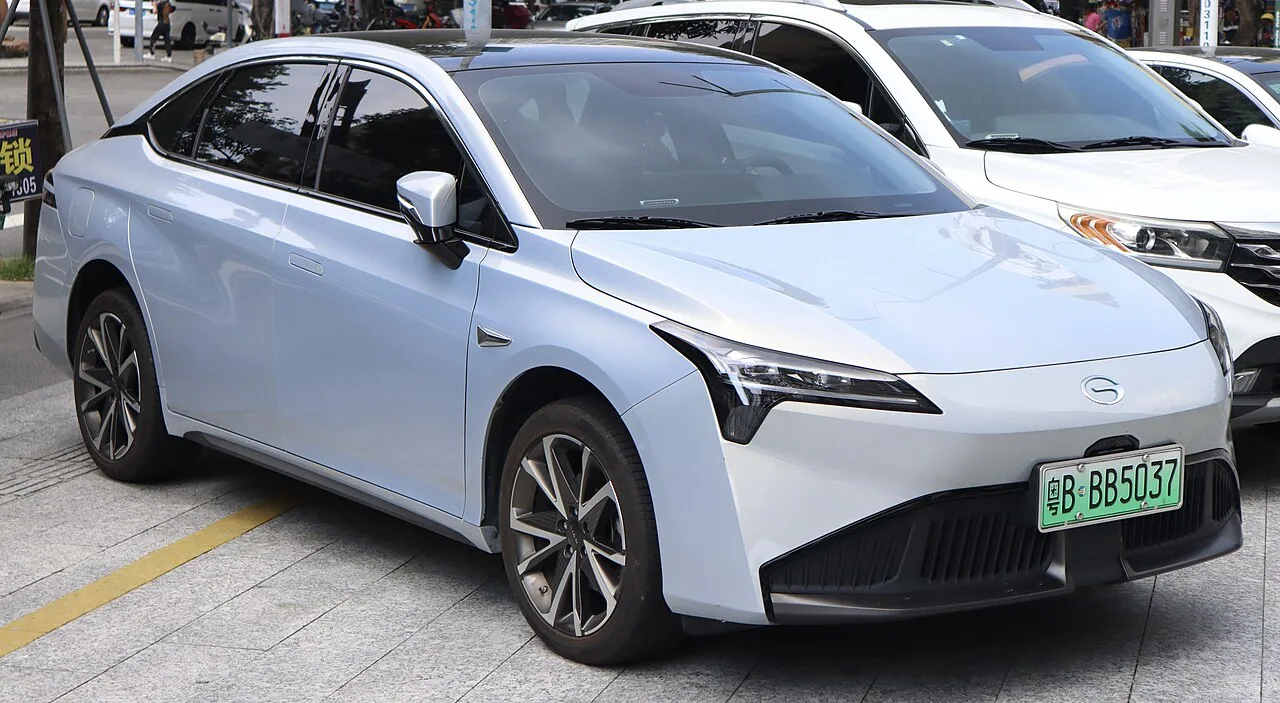
China holds the world's largest stock of new energy vehicles. At the end of 2024, 31.4 million such vehicles were in use in China, among them 22.09 million BEVs. These figures encompass heavy-duty commercial vehicles including buses, garbage trucks and sanitation vehicles, and cover only vehicles manufactured within China.
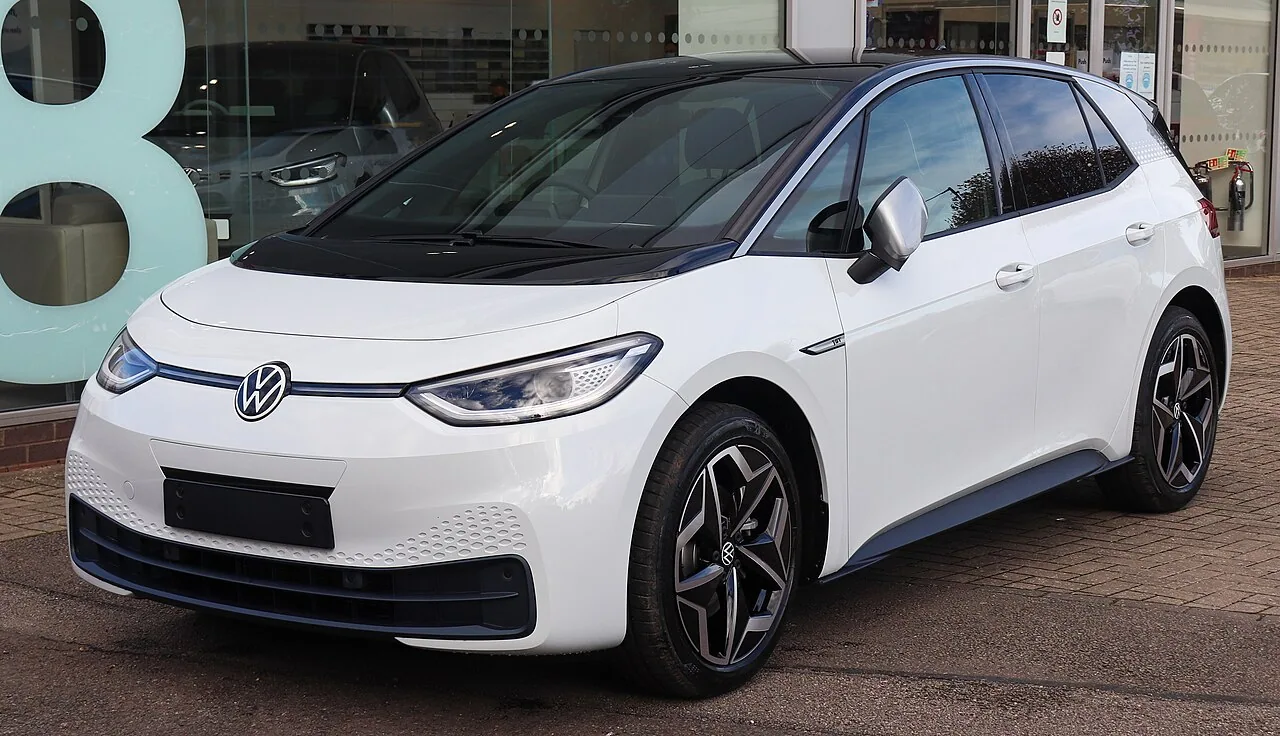
Sales milestones for individual models mark the pace of mass adoption. The Tesla Model 3 became the world's all-time best-selling electric car in early 2020, and in June 2021 it became the first electric car to surpass 1 million cumulative global sales. In 2023, the Tesla Model Y went further still, becoming the best-selling car of any kind worldwide across all powertrains.
Many countries have put in place government incentives for plug-in electric vehicles, including tax credits, subsidies and non-monetary benefits. Several have also legislated phaseouts of fossil-fuel vehicles as part of policies to reduce air pollution and limit climate change.
Frequently asked questions
What is the difference between a BEV and a PHEV?
A battery electric vehicle (BEV) uses only the electricity stored in its on-board battery pack to propel the wheels, with no internal combustion engine. A plug-in hybrid electric vehicle (PHEV) can also draw on a separate fuel source, converting power through an on-board generator to supplement the battery. A range-extended electric vehicle (REEV) works on a similar principle, using a small combustion engine primarily as a generator rather than to drive the wheels directly.
Do electric cars really produce fewer emissions over their lifetime?
Electric cars generally have a lower overall carbon footprint across their entire life cycle — from manufacturing through operation to end of life — than comparable internal combustion engine vehicles, even when the electricity used for charging is partly generated from fossil fuels. Manufacturing a BEV typically produces higher greenhouse gas emissions than manufacturing an equivalent ICE car, largely because of battery production, but those additional emissions are offset by the absence of tailpipe emissions during operation. Electric cars produce no exhaust emissions at the point of use.
What was the first electric car?
Robert Anderson of Scotland built a crude electric carriage between 1832 and 1839, making it the earliest documented example. The Flocken Elektrowagen, designed by German inventor Andreas Flocken in 1888, is widely regarded as the first purpose-built, fully realised electric car. William Morrison introduced the first practical electric car to the United States in 1890.
How many electric cars were sold globally in 2025?
21 million plug-in electric cars were sold worldwide in 2025, equating to one quarter of all new car sales. That figure represented a rise of more than 20 percent compared with 2024 sales. China accounts for the largest national stock, with 31.4 million new energy vehicles in use at the end of 2024.
What is range anxiety and why does it matter?
Range anxiety is the concern that a vehicle's battery will be depleted before the driver reaches a charging point. Even as fast chargers have become more widely available, the time required to recharge and uncertainty about charger availability remain psychological barriers for some consumers considering the purchase of an electric car. Governments and manufacturers have introduced infrastructure expansion programmes and other initiatives to reduce this concern.
Which electric car was the first to reach 1 million sales?
The Tesla Model 3 became the first electric car to surpass 1 million cumulative global sales, reaching that milestone in June 2021. It had already been recognised as the world's all-time best-selling electric car in early 2020. The Tesla Model Y subsequently became the world's best-selling car across all powertrains in 2023.
Are electric cars cheaper to own than petrol or diesel cars?
As of 2020, the total cost of ownership of recent electric vehicles in the United States and the European Union was lower than that of equivalent internal combustion engine cars. The primary reasons are reduced energy costs and lower maintenance requirements, the latter partly attributable to the simpler drivetrain of an electric motor compared with a combustion engine. Electric cars also generate less waste heat, which reduces the complexity and maintenance burden of cooling systems.
What charging options are available for electric cars?
Plug-in electric cars can be recharged at various types of charging station, which may be installed in private homes, parking garages or public areas, subject to local regulations and utility requirements. Research and deployment are also under way on battery swapping, where a depleted battery pack is exchanged for a charged one, and inductive charging, which transfers energy wirelessly without a physical connection. The availability and speed of charging stations continue to expand as part of government and industry initiatives to support wider EV adoption.
Sources
- Wikipedia: Electric car — Factual basis of this entry