World Rally Championship
The World Rally Championship (WRC) is an international rally racing series owned and governed by the Fédération Internationale de l'Automobile (FIA). Founded in 1973, it ranks as the third oldest FIA world championship in existence, behind only the Karting World Championship and Formula One.
Each season runs across one calendar year and typically comprises thirteen rally events, each lasting three to four days and covering up to 350 kilometres of closed competitive road. Events take place on surfaces including gravel, tarmac, snow and ice, with each rally divided into between fifteen and twenty-five individually timed special stages.
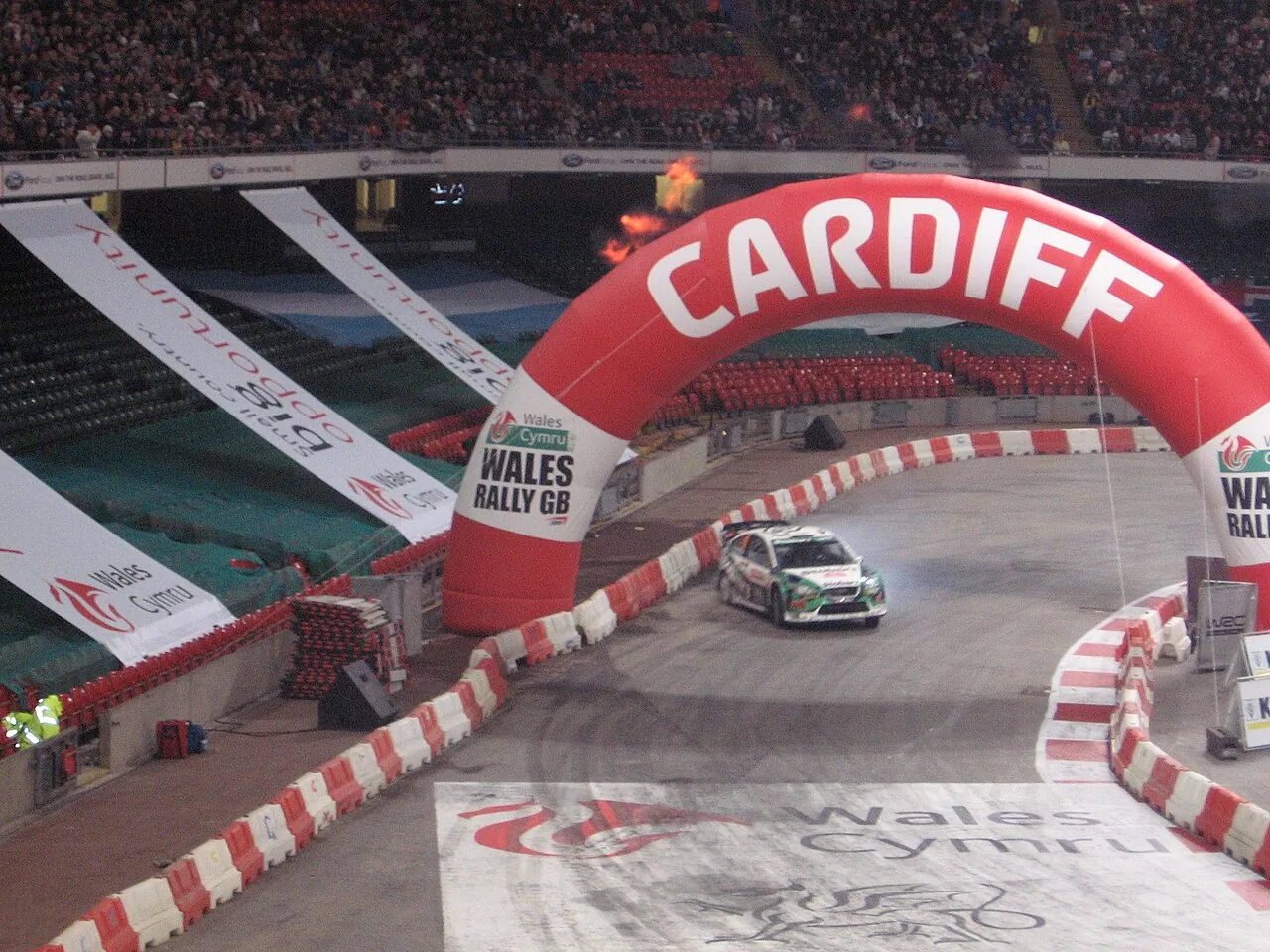
| Governing body | Fédération Internationale de l'Automobile (FIA) |
| Founded | 1973 |
| FIA championship seniority | Third oldest (after Karting World Championship and Formula One) |
| Season length | One calendar year, typically 13 events |
| Stage distance per rally | Up to 350 kilometres (220 miles) of closed roads |
| Stages per rally | 15–25 special stages |
| Top car specification | Rally1 (World Rally Car between 1997 and 2021) |
| Championship titles awarded | Drivers, Co-Drivers and Manufacturers |
| Support series | WRC2, WRC3 and Junior WRC |
Championship structure
Three separate championship titles are contested each season: one for drivers, one for co-drivers, and one for manufacturers. All three run concurrently across the same calendar of events, though the eligibility rules governing which crews score in each title differ significantly.
Any crew entering any WRC round may accumulate points in the drivers and co-drivers championships, regardless of the technical class of their car, the number of rounds they contest, or whether they are simultaneously entered in a support series. Co-drivers are permitted to take the wheel during a rally, but only under a force majeure situation.
World Rally Championship for Manufacturers
To score manufacturers' points, a constructor must formally register before the season and then contest every round using Rally1 specification cars — the category known as World Rally Cars between 1997 and 2021. Running the highest-specification machinery and typically employing the most experienced crews, registered manufacturers and their drivers take the majority of overall championship points in most seasons.
Manufacturer-entered crews hold Priority 1 (P1) status, meaning they tackle every special stage before competitors running in lower categories. The financial and promotional weight of manufacturer involvement means that WRC coverage largely centres on P1 entries, though competitors in lesser car classes do occasionally score points in the drivers and co-drivers standings.
How does WRC2 work?
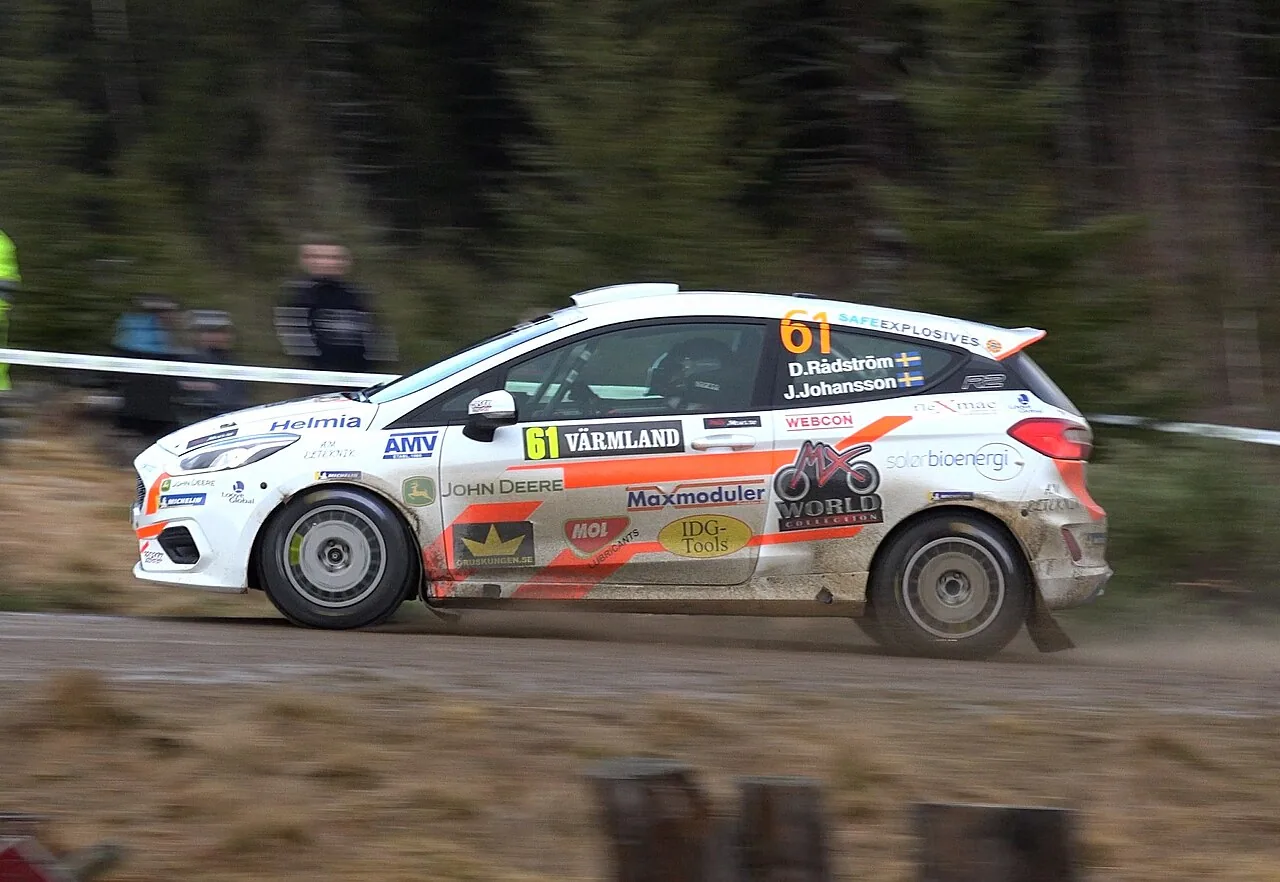
WRC2 is contested exclusively with Rally2 cars and offers separate championship titles for drivers, co-drivers and teams. Drivers and co-drivers may enter a maximum of seven events per season, with only their best six results counting towards the final championship total. Teams must also enter no more than seven events with two cars, though points scoring is structured differently: a maximum of six European rounds score, with up to five of those counting, plus a seventh rally outside Europe may also contribute points.
All participants must nominate the rounds at which they wish their results to count before each rally begins, and they may do so independently of their team-mates. This means that a crew and team competing at the same event can each be counting — or not counting — that result for championship purposes. Power stage points are also awarded in WRC2. Crews carry Priority 2 status and run stages immediately after P1 manufacturer crews. The series replaced the Super WRC (SWRC) when Group R regulations were introduced and eligibility rules were revised in 2013.
From 2023, WRC2 introduced a Challenger Driver and Co-Driver Championship aimed at competitors who have never previously won the WRC2 title and have not driven for a manufacturer team entry within the preceding five seasons.
WRC3 and its eligibility rules
WRC3 is designed for privateer drivers and runs with Rally3 cars, a specification introduced when the category was reinstated in 2020 after a year without a championship in 2019. During 2020 and 2021, Rally2 cars were used while the new Rally3 category was established. Between 2013 and 2018, the series was fought using two-wheel-drive cars from the R1, R2 and R3 classes of Group R.
Championship titles go to drivers and co-drivers, each of whom may enter up to seven rallies and count their best six results, with nominated scoring rounds declared in advance. Entry costs are deliberately lower than WRC2, and restrictions apply to testing, professional support and overall competitor eligibility to maintain the privateer character of the series. WRC3 crews hold Priority 3 status and run stages after WRC2 competitors.
Junior WRC
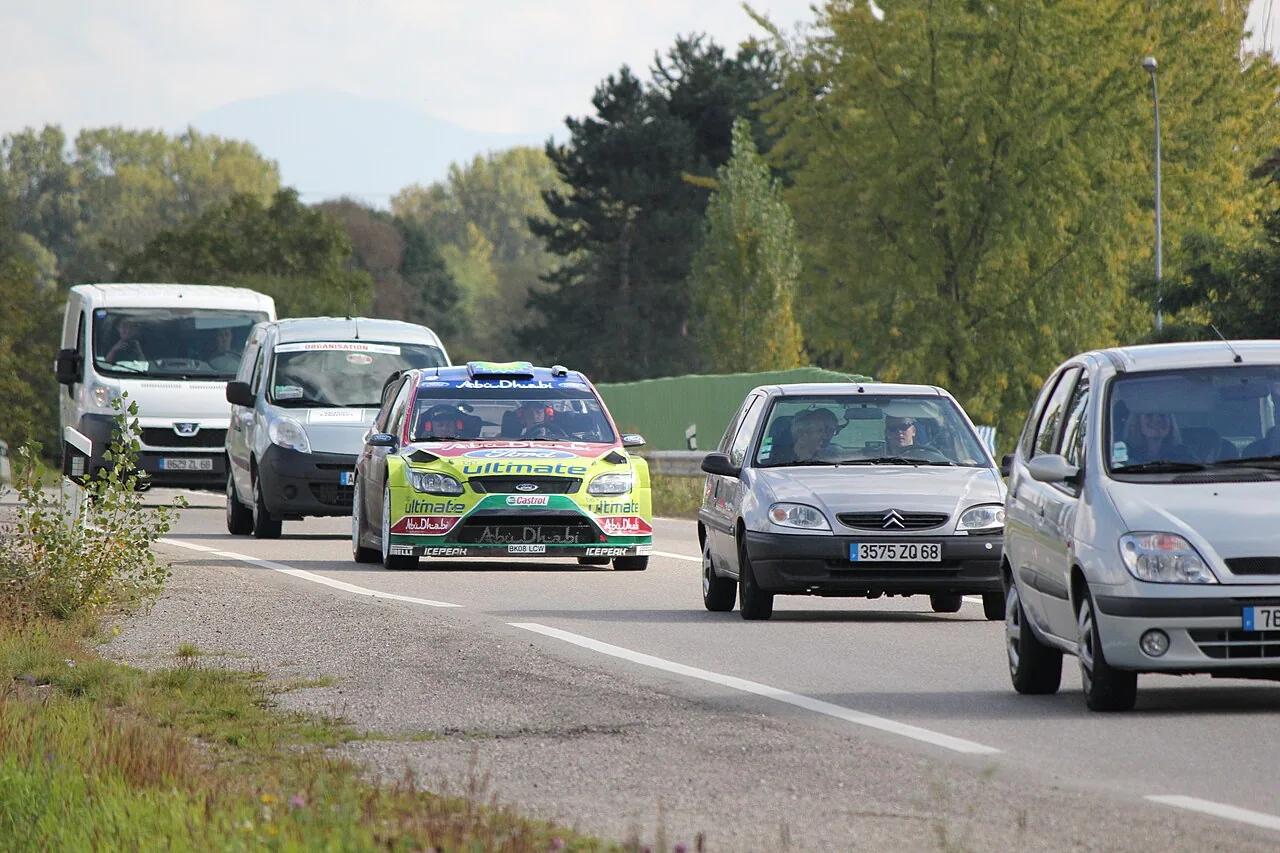
Junior WRC operates on an arrive-and-drive basis across five rounds of the WRC calendar. All competing cars are Ford Fiesta Rally3 machines prepared and supplied by M-Sport. Drivers must be under 29 years of age and must register before competing; co-drivers face no age restriction but must still register. Separate championship titles are awarded to drivers and co-drivers.
The championship originated in 2001 as an open series for younger drivers using S1600 cars. It was converted in 2011 into a closed, one-make FIA championship run by either M-Sport or Citroën — a format initially known as the WRC Academy during 2011 and 2012 before the Junior WRC name was restored. Under that earlier closed format, cars were provided, maintained and serviced centrally, with championships awarded to drivers, co-drivers and nations. Points were awarded for stage wins and the final round carried double points; the highest-placed driver from each registered country scored toward the nations title.
WRC Masters Cup
The FIA WRC Masters Cup was introduced in 2023, open to drivers and co-drivers aged 50 or over competing in any WRC-eligible car other than the top-tier Rally1 category. It replaced the WRC2 Masters Cup, which ran in 2022 and was restricted to WRC2 entrants meeting the same age criterion.
Discontinued support categories
The WRC Academy name applied to Junior WRC during its first two seasons as a one-make closed championship, covering 2011 and 2012, before the series reverted to the Junior WRC designation. The World Rally Championship Ladies Cup ran between 1990 and 1995 as a separate title contested within WRC events.
Frequently asked questions
When was the World Rally Championship founded?
The WRC was inaugurated in 1973. This makes it the third oldest FIA world championship in existence, following the Karting World Championship and Formula One.
How many rallies make up a WRC season?
A typical WRC season consists of thirteen events spread across one calendar year, each lasting three to four days. Each event is broken into between fifteen and twenty-five individually timed special stages on closed roads.
What surfaces are used in WRC events?
WRC rallies are held on a variety of surfaces, including gravel, tarmac, snow and ice. Up to 350 kilometres of closed roads can be used as competitive stages across a single rally.
What is the difference between WRC, WRC2 and WRC3?
All three categories compete on the same stages and events but use cars of decreasing performance specification and cost: Rally1 for WRC, Rally2 for WRC2 and Rally3 for WRC3. WRC2 and WRC3 also carry more restrictive eligibility and entry rules, with WRC3 specifically designed for privateer drivers at lower cost. Crews in each category hold different priority statuses, running stages in sequence after the category above them.
Who is eligible to score in the WRC Drivers Championship?
Any crew entering any WRC round may score points in the overall drivers and co-drivers championships, regardless of the car's technical class or how many rounds they contest. Participation in a support championship such as WRC2 or WRC3 does not exclude a crew from scoring in the overall title.
What is the age limit for Junior WRC?
Drivers competing in Junior WRC must be under 29 years of age and must register before the championship. There is no age restriction for co-drivers, though they too must register to be eligible.
What car is used in Junior WRC?
Junior WRC uses Ford Fiesta Rally3 cars supplied by M-Sport in an arrive-and-drive format. The series covers five rounds of the WRC calendar each season.
What is the WRC Masters Cup?
The WRC Masters Cup is a category introduced in 2023 for drivers and co-drivers aged 50 or above, open to any WRC-eligible car except Rally1. It succeeded the WRC2 Masters Cup, which ran in 2022 and was limited to WRC2 entrants of the same age.
Sources
- Wikipedia: World Rally Championship — Factual basis of this entry