24 Hours of Le Mans
The 24 Hours of Le Mans is an annual endurance sports car race held near the city of Le Mans, France. First run in 1923, it is the oldest active endurance racing event in the world and is organised by the Automobile Club de l'Ouest (ACO) on the Circuit de la Sarthe, a course made up of closed public roads combined with dedicated sections of a permanent racing facility.
Unlike races decided by minimum elapsed time over a fixed distance, the 24 Hours of Le Mans is won by the car that covers the greatest total distance within the 24-hour period. The distance record was set in 2010, when the winning car covered 5,410 km (3,360 mi).
| First run | 1923 |
| Organiser | Automobile Club de l'Ouest (ACO) |
| Venue | Circuit de la Sarthe, near Le Mans, France |
| Race format | Greatest distance covered in 24 hours |
| Current series | FIA World Endurance Championship (since 2012) |
| Top recorded speed (Mulsanne Straight) | 407 km/h (253 mph), achieved in 1988 |
| Distance record | 5,410 km (3,360 mi), set in 2010 |
| Classes contested | Hypercar (LMH/LMDh), LMP2, LMGT3 |
| Drivers per car | Three (maximum 4 hours in any 6-hour period; 14 hours total) |
| Most recent edition | 94th running, 13–14 June 2026 |
What is the purpose of the race?
Le Mans was conceived at a time when Grand Prix motor racing dominated European motorsport, and it was deliberately designed to test a different set of qualities. Rather than rewarding the manufacturer that could build the fastest outright machine, the race challenged manufacturers to produce cars that were both sporty and mechanically reliable over an extended period.
This emphasis on durability and efficiency has encouraged genuine engineering innovation. Because cars that spend less time in pit stops and consume less fuel gain a competitive advantage, manufacturers have been incentivised to develop technology that subsequently finds its way into consumer vehicles. The layout of the Circuit de la Sarthe also demands strong aerodynamics and high-speed stability, owing in particular to the long Ligne droite des Hunaudières, commonly known as the Mulsanne Straight after the village it leads towards.
History and championship context
The race was part of the World Sportscar Championship from that series' founding year in 1953 through to its final season in 1992, with the exception of the 1956, 1975–1979 and 1989–1990 seasons. In 2011, it formed part of the Intercontinental Le Mans Cup, and from 2012 onwards it has been a constituent round of the FIA World Endurance Championship.
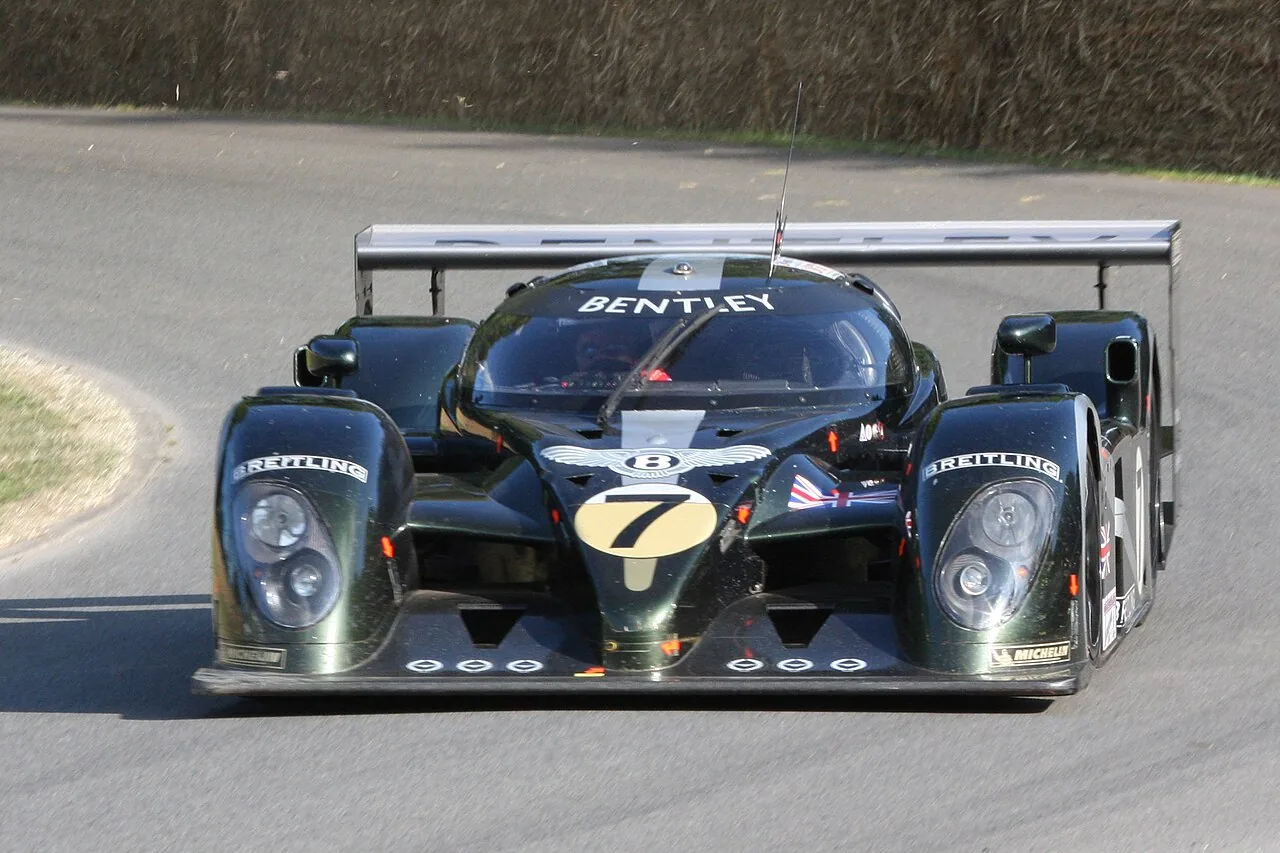
The early 1970s oil crisis prompted the ACO to introduce a fuel economy formula known as Group C, which capped the amount of fuel each car was permitted to use during the race. Although Group C was eventually discontinued, fuel efficiency has remained a central concern. During the 2000s, hybrid systems employing flywheels, supercapacitors, and battery packs coupled with both petrol and diesel engines were promoted within the Le Mans prototype category as the regulations were revised to favour efficiency.
The Triple Crown
Le Mans occupies a place in two separate informal Triple Crown designations within motorsport. The first is the Triple Crown of Motorsport, which groups it with the Formula 1 Monaco Grand Prix and the Indianapolis 500 as the three races considered most prestigious across different disciplines. The second is the Triple Crown of endurance racing, in which Le Mans is paired with the 24 Hours of Daytona and the 12 Hours of Sebring, both held in Florida.
These designations reflect the race's standing as a benchmark event rather than any formal regulatory framework; no governing body officially administers either Triple Crown.
Circuit and speed
The Circuit de la Sarthe combines sections of closed public roads with a dedicated racing facility. Cars competing in the modern race are capable of reaching 366 km/h (227 mph). In 1988, speeds on the Mulsanne Straight reached 407 km/h (253 mph), a figure that led the ACO to introduce additional chicanes on that section of the track specifically to reduce the top speeds attainable.
The race takes place in mid-June, close to the summer solstice. This timing produces the shortest night of the year, meaning teams face very hot conditions during daylight hours and only a brief period of darkness. Rainy weather is also common during the June running. The 2025 edition attracted 332,000 spectators.
How are races structured and what classes compete?
The 24-hour period begins in mid-afternoon and concludes at the same hour the following day, with victory going to the car that has accumulated the greatest distance. Modern competitors regularly exceed 5,000 km (3,110 mi) over the course of the event. For comparison, the distance record of 5,410 km (3,360 mi) set in 2010 represents more than six times the length of the Indianapolis 500 and approximately 18 times the distance of a Formula One Grand Prix.
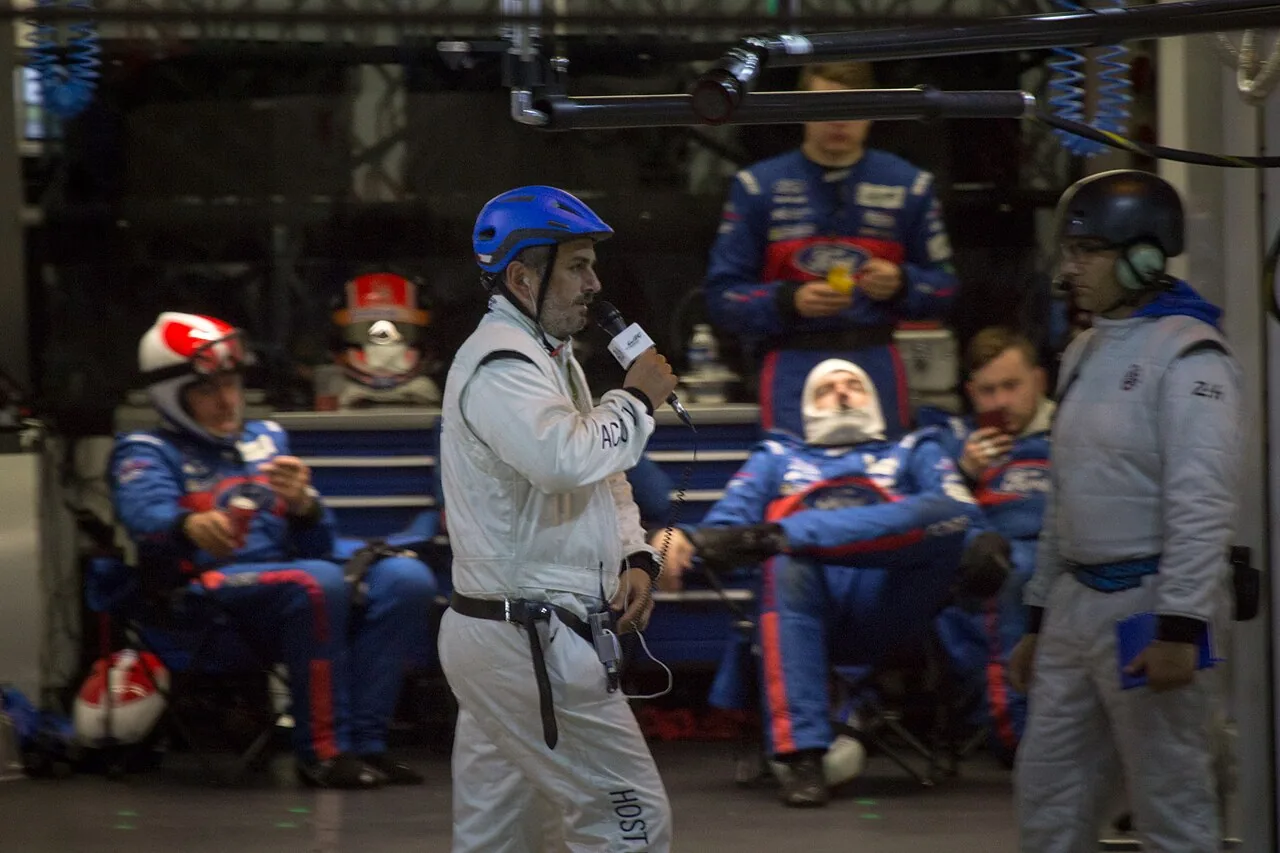
Teams manage three primary consumables throughout the race: fuel, tyres, and braking materials. Current regulations require that three drivers share each car. No individual driver may drive more than four hours within any six-hour window, and no driver may accumulate more than 14 hours of driving in total across the full 24 hours.
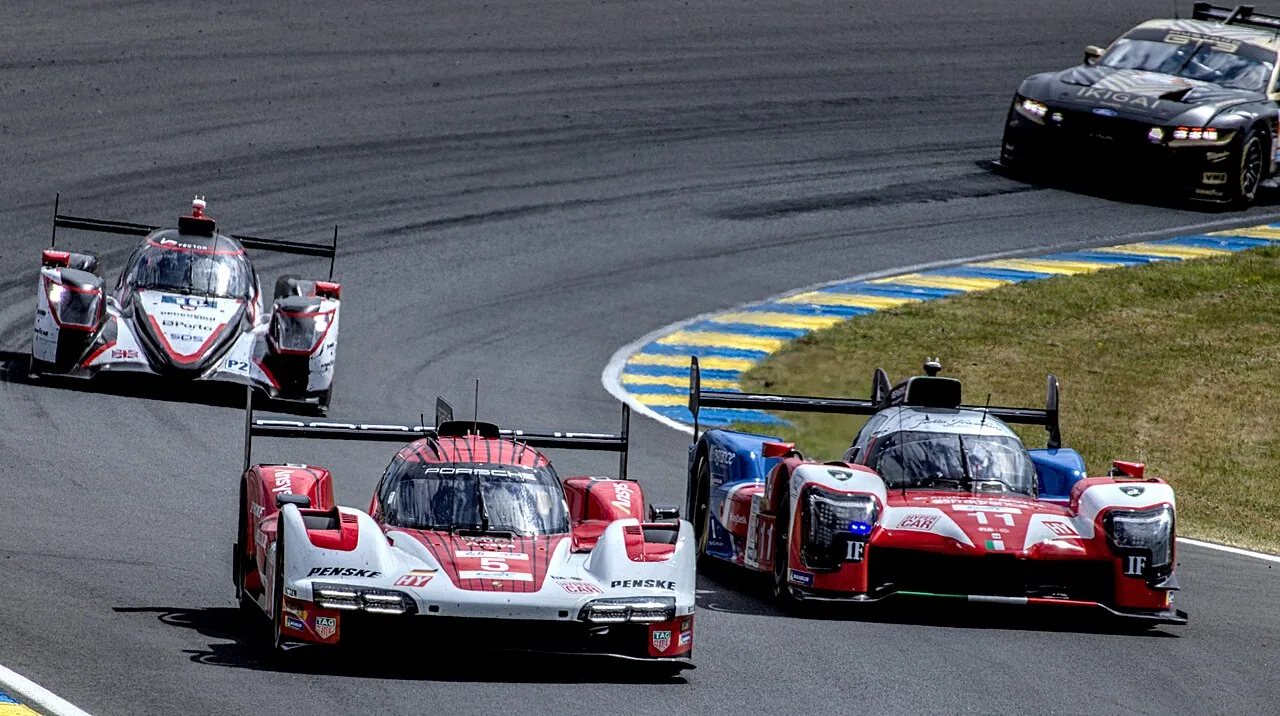
Competition is divided into classes of broadly similar machinery, with all classes running simultaneously and teams competing both within their class and for overall placing. The current class structure comprises Hypercar (which covers both the Le Mans Hypercar and LMDh specifications), LMP2 for Le Mans Prototypes, and LMGT3 for Grand Touring cars based on road-going models. Hypercars represent the highest level in sports car racing and are purpose-built prototypes, while GT cars are derived from production vehicles and are generally slower.
Competing teams and manufacturers
Entrants at Le Mans have historically covered a wide spectrum of organisations. Road car manufacturers have competed with dedicated racing departments to demonstrate the qualities of their production vehicles, while professional racing teams have entered on behalf of commercial backers, some of whom are themselves car manufacturers choosing not to operate a factory programme directly. Amateur teams have also participated, motivated as much by the status of competing in the event as by any expectation of outright victory.
The race's focus on reliability and fuel efficiency, combined with the technological demands of its long high-speed sections, has historically fed back into road car development. Manufacturers seeking to win at Le Mans have developed faster road cars from which still faster GT cars could be derived, and hybrid technology pioneered in the prototype classes has been incorporated into consumer vehicles.
Related events
A 10-hour American counterpart, Petit Le Mans, has been held annually since 1998. The event takes its name and certain organisational characteristics from the original French race but is a distinct competition run over a shorter duration.
The 94th running of the 24 Heures du Mans, the most recent edition as of this writing, took place on 13 and 14 June 2026.
Frequently asked questions
When was the 24 Hours of Le Mans first held?
The race was first run in 1923, making it the oldest active endurance racing event in the world. It has been held annually near the city of Le Mans in France, organised throughout its history by the Automobile Club de l'Ouest (ACO).
How is the winner of the 24 Hours of Le Mans determined?
The winner is the car that covers the greatest total distance within the 24-hour period, not the car that completes a fixed distance in the shortest time. The current distance record was set in 2010, when the winning car covered 5,410 km (3,360 mi).
What championship is Le Mans part of today?
Since 2012, the race has been a round of the FIA World Endurance Championship. It was previously part of the World Sportscar Championship between 1953 and 1992 (with certain exceptions) and was included in the Intercontinental Le Mans Cup in 2011.
Why were chicanes added to the Mulsanne Straight?
In 1988, cars reached 407 km/h (253 mph) on the Mulsanne Straight. The ACO responded by adding chicanes to that section of the circuit to bring top speeds down to safer levels. Modern cars are capable of reaching 366 km/h (227 mph) on the track.
How many drivers are required per car and what are the driving limits?
Current regulations mandate that three drivers share each competing car. No individual driver may drive more than four hours within any six-hour window, and no driver may accumulate more than 14 hours of total driving across the full 24-hour race.
What classes of cars compete at Le Mans?
The race currently features three classes: Hypercar (covering both the Le Mans Hypercar and LMDh specifications), LMP2, and LMGT3. Hypercars are purpose-built prototypes representing the highest level of sports car racing, while LMGT3 cars are based on production road-going models and are generally slower.
What is the Triple Crown of Motorsport and how does Le Mans fit into it?
The Triple Crown of Motorsport is an informal designation grouping the 24 Hours of Le Mans with the Formula 1 Monaco Grand Prix and the Indianapolis 500 as three of the most prestigious races across different disciplines. Le Mans also forms part of a separate Triple Crown of endurance racing alongside the 24 Hours of Daytona and the 12 Hours of Sebring.
What is Petit Le Mans?
Petit Le Mans is a 10-hour American endurance race that has been held annually since 1998. It takes its name from the original French race but is a distinct event run over a shorter duration.
Sources
- Wikipedia: 24 Hours of Le Mans — Factual basis of this entry