Porsche
Dr. Ing. h.c. F. Porsche AG, universally known as Porsche, is a German automobile manufacturer headquartered in Stuttgart, Baden-Württemberg, that specialises in luxury and high-performance sports cars, SUVs and sedans. Its current model range spans the 911, Boxster, Cayman, Panamera, Macan, Cayenne and Taycan. The company is a subsidiary of Volkswagen AG, in which Porsche Automobil Holding SE holds a controlling stake.
The firm traces its origins to 1931, when automotive engineer Ferdinand Porsche, together with Adolf Rosenberger and Anton Piëch, established what began as a vehicle-development consultancy in Stuttgart. Its earliest and most consequential commission was the design of a car for the German public, a brief that produced the Volkswagen Beetle, one of the most widely produced automobile designs ever made.
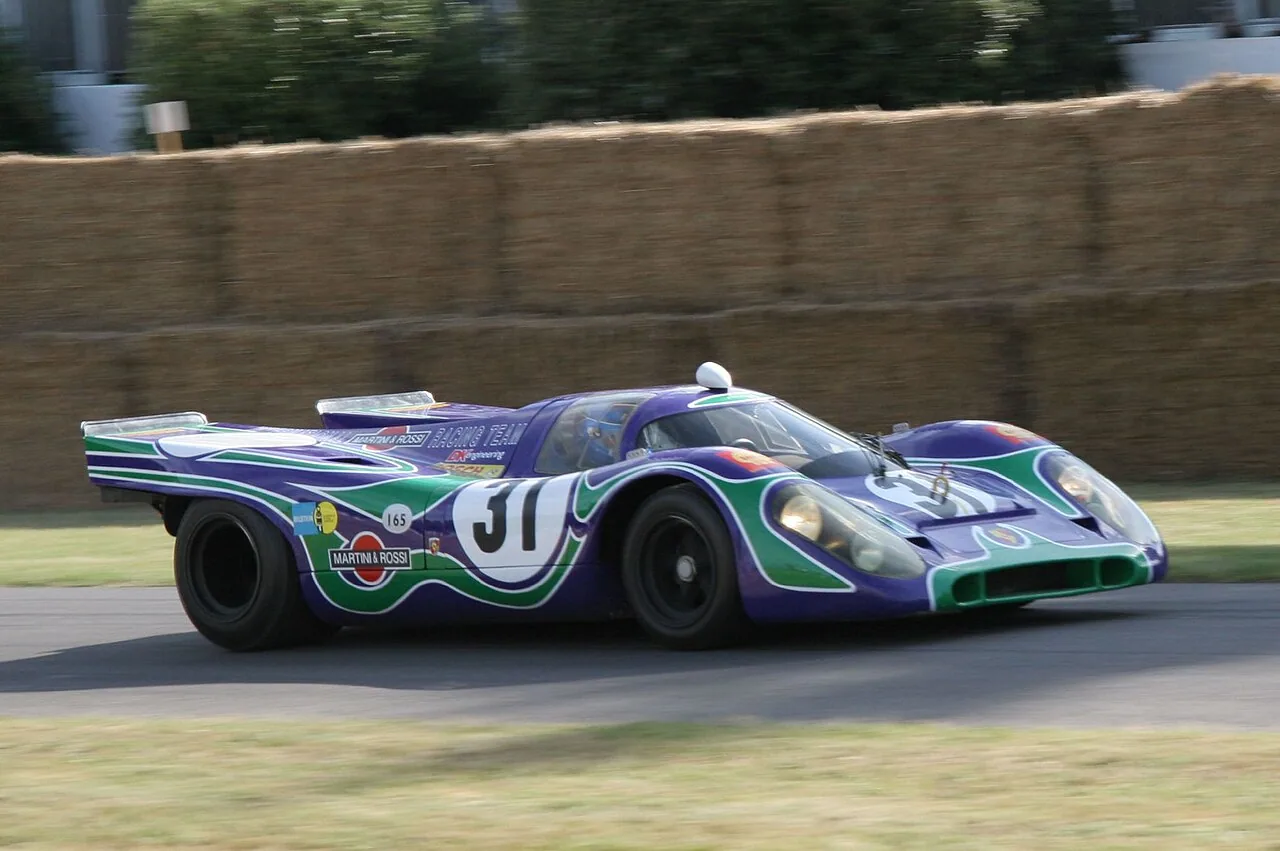
| Full legal name | Dr. Ing. h.c. F. Porsche AG |
| Founded | 1931 |
| Headquarters | Stuttgart, Baden-Württemberg, Germany |
| Founders | Ferdinand Porsche, Adolf Rosenberger, Anton Piëch |
| Parent company | Volkswagen AG (majority shareholder: Porsche Automobil Holding SE) |
| Specialisation | Luxury and high-performance sports cars, SUVs, sedans |
| Current model range | 911, Boxster, Cayman, Panamera, Macan, Cayenne, Taycan |
| First production model sold | Porsche 356 (road-certified 1948) |
| Original company premises | Kronenstraße 24, Stuttgart |
| Key historical commission | Design of the Volkswagen Beetle, 1930s |
Who founded Porsche and when?
Ferdinand Porsche, a German-Bohemian automotive engineer, formally established Dr. Ing. h.c. F. Porsche GmbH on 1931 together with two partners: Adolf Rosenberger, who had been a central figure in the formation of Auto Union, the German manufacturer that became a precursor to Audi; and Anton Piëch, an Austrian businessman who was at the time Ferdinand's son-in-law. The company name encodes Ferdinand's honorary academic title in full: Doktor-Ingenieur honoris causa, meaning Doctor of Engineering by honorary degree.
The main offices were established at Kronenstraße 24 in central Stuttgart. At its outset the company did not manufacture automobiles under its own name but instead offered vehicle development work and engineering consultancy to outside clients.
The Volkswagen Beetle commission
Among the earliest assignments accepted by the new firm was a brief from the German government to design an affordable car for the mass market — literally a Volkswagen, meaning people's car. The design that resulted was the Volkswagen Beetle, which went on to become one of the most successful automobile designs ever produced.
The Beetle's engineering influenced Porsche's own subsequent work. In 1939 the firm developed the Porsche 64, a vehicle that drew heavily on Beetle components. After the war, when parts were broadly scarce across Germany, the first Porsche road car, the 356, also made use of Beetle-derived parts including the engine case, transmission and several suspension components.
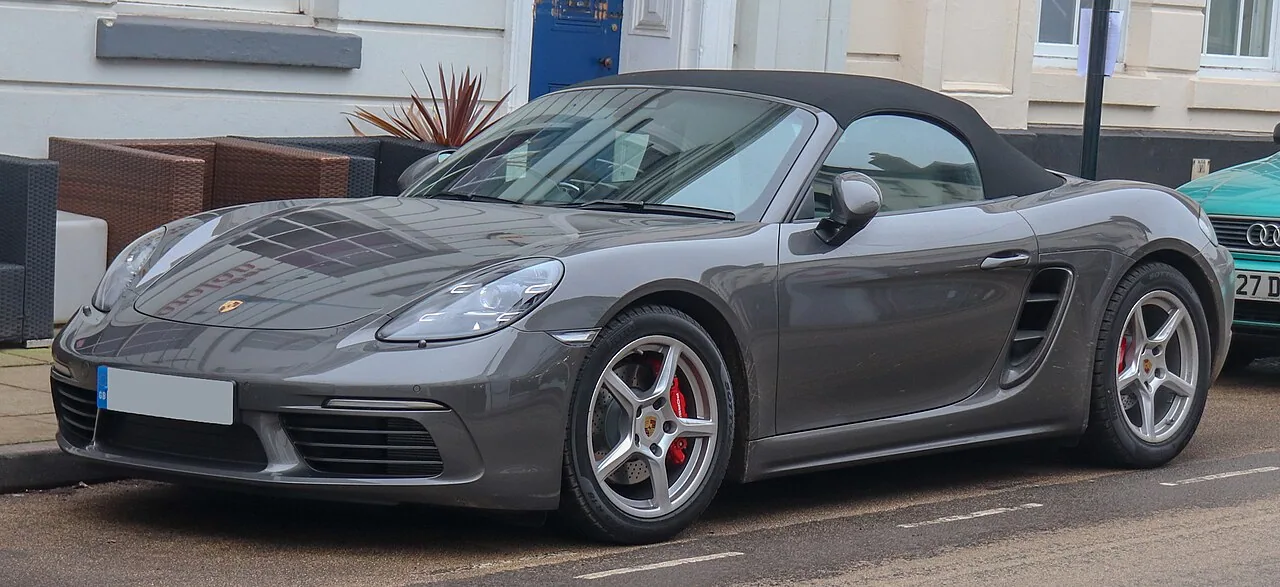
Porsche during World War II
During the war, Volkswagen production was redirected toward military vehicles derived from the Beetle. These included the Kübelwagen, of which 52,000 units were produced, and the amphibious Schwimmwagen, of which 15,584 were built. Ferdinand Porsche and his firm were simultaneously engaged in heavy-armour design for the German military.
Porsche submitted competing designs for contracts that ultimately produced both the Tiger I and the Tiger II heavy tanks, losing on both occasions to Henschel and Son. However, the chassis Porsche had developed for the Tiger I competition was not discarded; it was adapted as the platform for the Elefant tank destroyer. In the closing stages of the war, the company also developed the Maus super-heavy tank, with two prototypes completed.
Ferdinand Porsche's biographer, Fabian Müller, documented that the company had thousands of workers forcibly brought to its factories during the war. These forced labourers were required to wear the letter "P" on their clothing at all times. The initial stood not for Porsche but for Poland.
Post-war arrest and the founding of the 356
When the war ended in 1945, the Volkswagen factory at KdF-Stadt passed to British control, and British Army Major Ivan Hirst took charge of the facility. Ferdinand Porsche lost his position as chairman of the Volkswagen board of management. On 15 December 1945 he was arrested for war crimes, though he was never tried, and remained imprisoned for twenty months until his release in August 1947.
During his father's imprisonment, Ferry Porsche steered the company through its most precarious period. Unable to find a production car that suited his requirements, Ferry resolved to build his own. The first examples of what became the Porsche 356 were assembled in a small sawmill in Gmünd, Austria, with an aluminium body, produced by a new entity called Porsche Konstruktionen GesmbH, which Ferry founded together with his sister Louise.
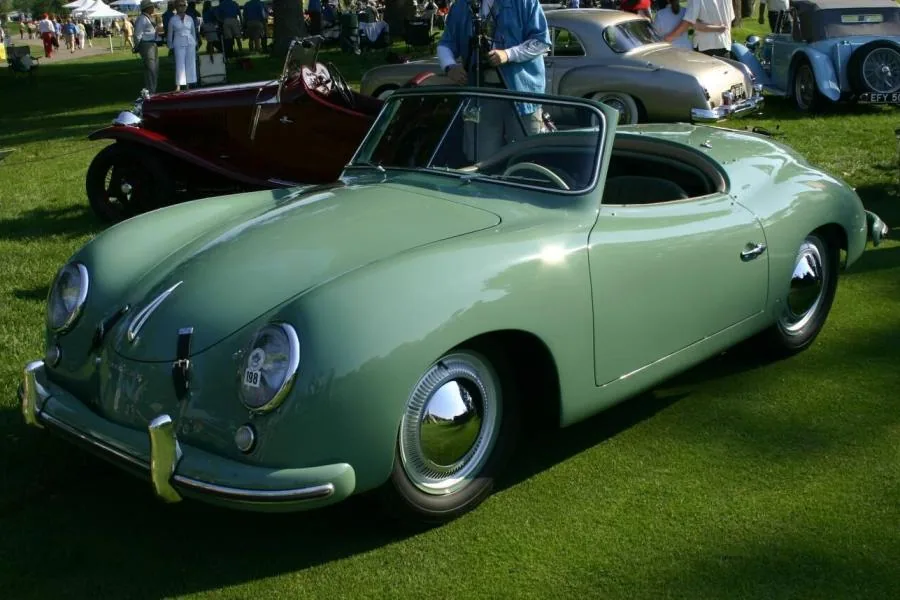
The 356 received road certification in 1948. When German auto dealers were shown a prototype, pre-orders reached the threshold required to begin production. After Ferdinand's release, production of the 356 passed to the original Dr. Ing. h.c. F. Porsche GmbH entity in 1950. The 356 is widely regarded as the first true Porsche because it was the first model the company sold.
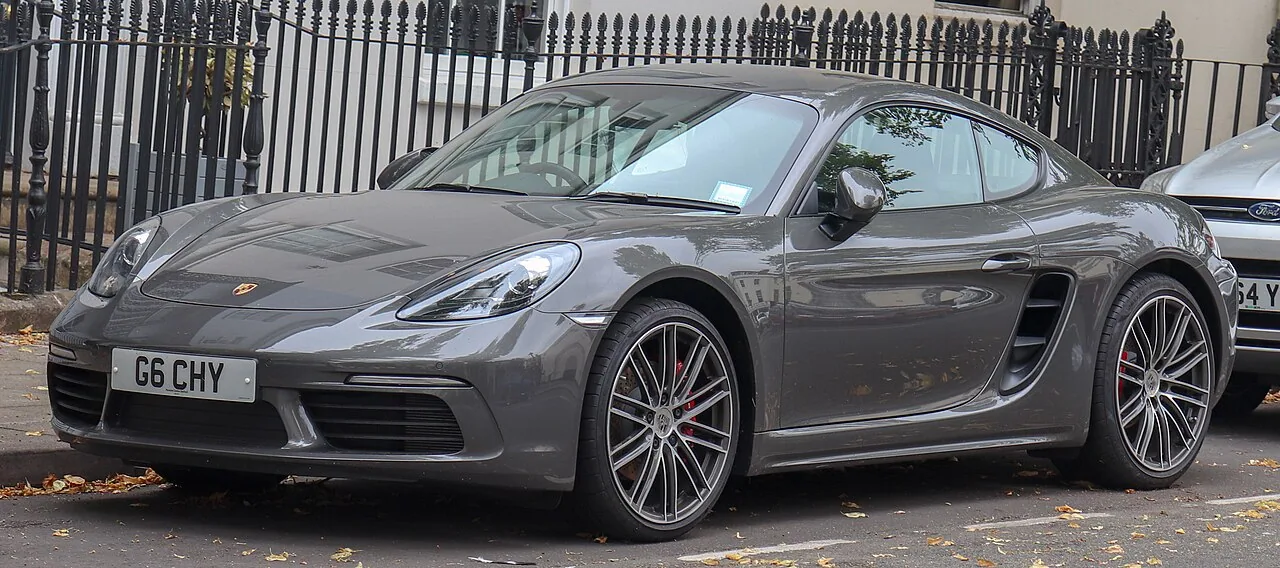
Manufacturing facilities at Zuffenhausen
Once the 356 moved into steel-bodied production, Porsche contracted Reutter Karosserie, a Zuffenhausen-based coachbuilder that had previously collaborated with Porsche on Volkswagen Beetle body prototypes, to manufacture the 356's steel bodywork. In 1952 Porsche constructed the Werk 2 assembly plant directly across the street from the Reutter Karosserie premises.
The road running in front of Werk 1, the oldest Porsche building in Zuffenhausen, is today named Porschestraße, reflecting the lasting association between the marque and that district of Stuttgart.
What does the Porsche logo represent?
The Porsche emblem derives from the coat of arms of the Free People's State of Württemberg as it existed under the Weimar Republic, a state that had Stuttgart as its capital. After 1945 the successor state of Württemberg-Hohenzollern used the same arms until 1952, while Stuttgart itself served as capital of the adjacent state of Württemberg-Baden during those years. The arms of Stuttgart appear at the centre of the logo as an inescutcheon, acknowledging the company's Stuttgart headquarters.
The design technically departs from conventional heraldry: authentic heraldic achievements do not incorporate the name of the armiger or the name of the armiger's home town within the shield itself, yet the Porsche emblem includes both the word Porsche and the word Stuttgart. In 1952, Württemberg-Baden, Württemberg-Hohenzollern and Baden were merged into the present state of Baden-Württemberg following West Germany's post-war political consolidation, but the older Württemberg arms survived unchanged in the company's badge.
Ferdinand Porsche did not live to see that consolidation. On 30 January 1951 he died from complications arising from a stroke, shortly before the formation of Baden-Württemberg.
Ownership and integration with Volkswagen
In 2009 Porsche entered an agreement with Volkswagen AG to create an integrated working group by combining the two companies' car-manufacturing operations. The arrangement formalised a relationship that had deep historical roots stretching back to the Beetle commission of the 1930s.
By 2015, Porsche Automobil Holding SE — the holding company spun off from the original Porsche firm — had acquired a controlling interest in the Volkswagen Group. That group encompasses, among other marques, Audi and Lamborghini as subsidiaries, placing a significant portion of the global premium and luxury car industry under a corporate structure ultimately connected to the Porsche family name.
Frequently asked questions
When and where was Porsche founded?
Porsche was founded in 1931 by Ferdinand Porsche, Adolf Rosenberger and Anton Piëch. The company's original offices were located at Kronenstraße 24 in the centre of Stuttgart, Germany. It was initially structured as an engineering consultancy rather than a car manufacturer.
What is the connection between Porsche and the Volkswagen Beetle?
One of Porsche's first commissions, received from the German government, was to design an affordable mass-market car — a Volkswagen. The design that resulted was the Volkswagen Beetle, one of the most successful car designs ever produced. Components from the Beetle were later used in both the 1939 Porsche 64 and the post-war Porsche 356.
Why was Ferdinand Porsche arrested after World War II?
Ferdinand Porsche was arrested on 15 December 1945 on war crimes charges, though he was never brought to trial. He was a member of both the Nazi Party and the SS, and his biographer Fabian Müller documented that the company had thousands of people forcibly brought to its factories during the war. Ferdinand remained imprisoned for twenty months before his release in August 1947.
What was the first car Porsche sold?
The Porsche 356 is widely considered the first car sold by the company. Ferry Porsche began building it during his father's imprisonment, assembling early aluminium-bodied examples at a sawmill in Gmünd, Austria. The 356 received road certification in 1948, and steel-bodied production commenced in Zuffenhausen after 1950.
Who owns Porsche today?
Porsche is owned by Volkswagen AG, in which Porsche Automobil Holding SE holds a controlling stake. Porsche SE is the holding company that was spun off from the original Porsche firm. By 2015 Porsche SE's controlling interest in the Volkswagen Group also gave it indirect ownership influence over marques including Audi and Lamborghini.
What does the Porsche company name mean?
The full legal name, Dr. Ing. h.c. F. Porsche AG, is an abbreviation of Ferdinand Porsche's honorary academic title in German: Doktor-Ingenieur honoris causa, meaning Doctor of Engineering by honorary degree. The title was incorporated into the company name from its founding in 1931.
What military vehicles was Porsche involved with during World War II?
Porsche designed competing entries for the Tiger I and Tiger II heavy tank contracts, losing both to Henschel and Son. The chassis developed for the Tiger I competition was repurposed as the base for the Elefant tank destroyer. Additionally, Porsche developed the Maus super-heavy tank late in the war, completing two prototypes.
What does the Porsche logo depict?
The Porsche logo is based on the coat of arms of the Free People's State of Württemberg, the Weimar-era German state whose capital was Stuttgart. The arms of Stuttgart appear as an inescutcheon at the centre of the emblem, referencing the company's headquarters. The inclusion of the words Porsche and Stuttgart within the shield itself is a departure from conventional heraldic practice.
Sources
- Wikipedia: Porsche — Factual basis of this entry