BMW
Bayerische Motoren Werke AG, universally known as BMW and sometimes rendered in English as Bavarian Motor Works, is a German multinational manufacturer of luxury automobiles and motorcycles headquartered in Munich, Germany. The BMW Group markets cars under the BMW, Mini, and Rolls-Royce brands, and motorcycles under the BMW Motorrad brand.
In 2023 BMW ranked as the world's ninth-largest producer of motor vehicles, manufacturing 2,555,341 vehicles in that year alone and placing sixth among automakers by revenue, with the Forbes Global 2000 ranking the group 46th.
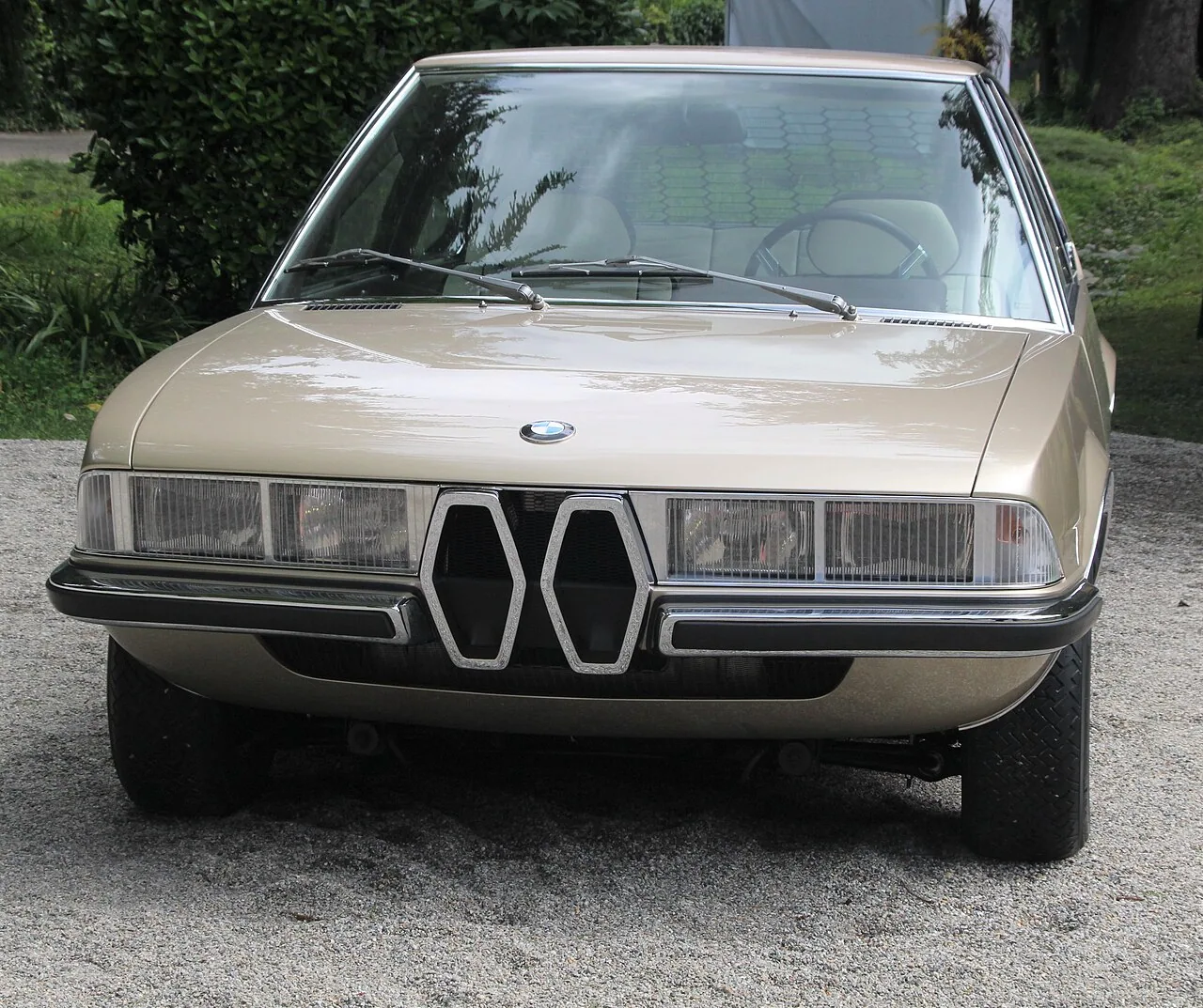
| Full legal name | Bayerische Motoren Werke AG (BMW AG) |
| Founded (name first used) | 1917, as BMW GmbH; current AG structure dates from 1922 |
| Headquarters | Munich, Germany |
| Type | Multinational conglomerate; luxury vehicles and motorcycles |
| Brands operated | BMW, Mini, Rolls-Royce (cars); BMW Motorrad (motorcycles) |
| 2023 vehicles produced | 2,555,341 |
| 2023 global ranking | 9th largest motor-vehicle producer; 6th by automaker revenue; 46th in Forbes Global 2000 |
| Principal shareholder | Quandt family (since 1959 investment by Herbert and Harald Quandt) |
| Manufacturing countries | Germany, United Kingdom, United States, Brazil, Mexico, South Africa, India, China |
| Motorsport focus | Touring cars, sports cars, Isle of Man TT |
Where did BMW come from?
BMW's corporate lineage begins with Otto Flugmaschinenfabrik, an aircraft-engine business established in 1910 by Gustav Otto in the Kingdom of Bavaria. On 18 August 1916 that firm was reorganised as Bayerische Flugzeugwerke (BFW), and in 1922 BFW was renamed Bayerische Motoren Werke, adopting the BMW identity that persists today.
The BMW name itself had been used earlier by a separate concern: Rapp Motorenwerke, founded in 1913 by Karl Rapp, became BMW GmbH in 1917. In 1922 the name and engine-production assets of that company were transferred to Bayerische Flugzeugwerke, uniting the two strands of the brand's history into the single entity now known as BMW AG.
Aircraft engines and the First World War
BMW's earliest products were aircraft engines supplied to the Luftstreitkräfte during the First World War. Among these was the BMW IIIa, a straight-six engine developed in 1917 by engineer Max Friz, which became one of the company's notable early technical achievements.
The focus on high-performance aero-engines during this period established an engineering culture centred on precision and performance that would inform BMW's approach to motorcycles and automobiles in subsequent decades.
Diversification into motorcycles and automobiles
Following the end of the First World War, BMW moved beyond aircraft powerplants into motorcycle engines, agricultural equipment, household goods, and railway brakes. In 1923 the company introduced its first complete motorcycle, the BMW R32, marking its entry into personal transport.
BMW became a car manufacturer in 1928 by acquiring Fahrzeugfabrik Eisenach, a plant that had been building the Austin 7 under licence from Austin Motor Company and selling it under the Dixi name. The first automobile marketed as a BMW was the BMW 3/15, a rebadged version of that Dixi, and during the 1930s the range grew to encompass sports cars and larger luxury vehicles.
The Second World War and its aftermath
During the Second World War BMW concentrated production on the BMW 801 aircraft engine, a programme that employed as many as 40,000 slave labourers drawn primarily from Nazi concentration camps, most prominently Dachau. Motorcycle output continued as a secondary activity while car production ceased entirely.
Allied bombing heavily damaged BMW's factories, and the postwar occupation authorities banned the company's West German facilities from manufacturing motor vehicles or aircraft. To remain solvent, BMW resorted to producing pots, pans, and bicycles. Motorcycle production resumed in 1948, and car manufacture restarted in Bavaria in 1952 with the BMW 501 luxury saloon.
Financial crisis and the Quandt rescue
By the mid-1950s BMW had widened its car range by producing the Isetta microcar under licence from 1955, but sluggish sales of its luxury models and thin margins on the microcar left the company in severe financial difficulty. By 1959 BMW faced a near-takeover by Daimler-Benz.
Brothers Herbert Quandt and Harald Quandt made a large investment in BMW that year, keeping the company independent. The capital available to Herbert Quandt was connected to the fortune of his father Günther Quandt, a German industrialist who had joined the Nazi Party in 1933 and built wealth through armaments and battery manufacturing, enterprises that made extensive use of slave labour and in some cases included on-site concentration camps. The relative commercial success of the small BMW 700 also contributed to BMW's recovery, providing the platform from which the New Class sedans were developed.
The New Class and the modern model range
The launch of the BMW New Class compact sedans in 1962 marked the point at which BMW established its identity as a maker of sport-oriented cars. Through the 1960s the range expanded with coupé and luxury sedan variants, and the company systematically built out its core series in the following decade.
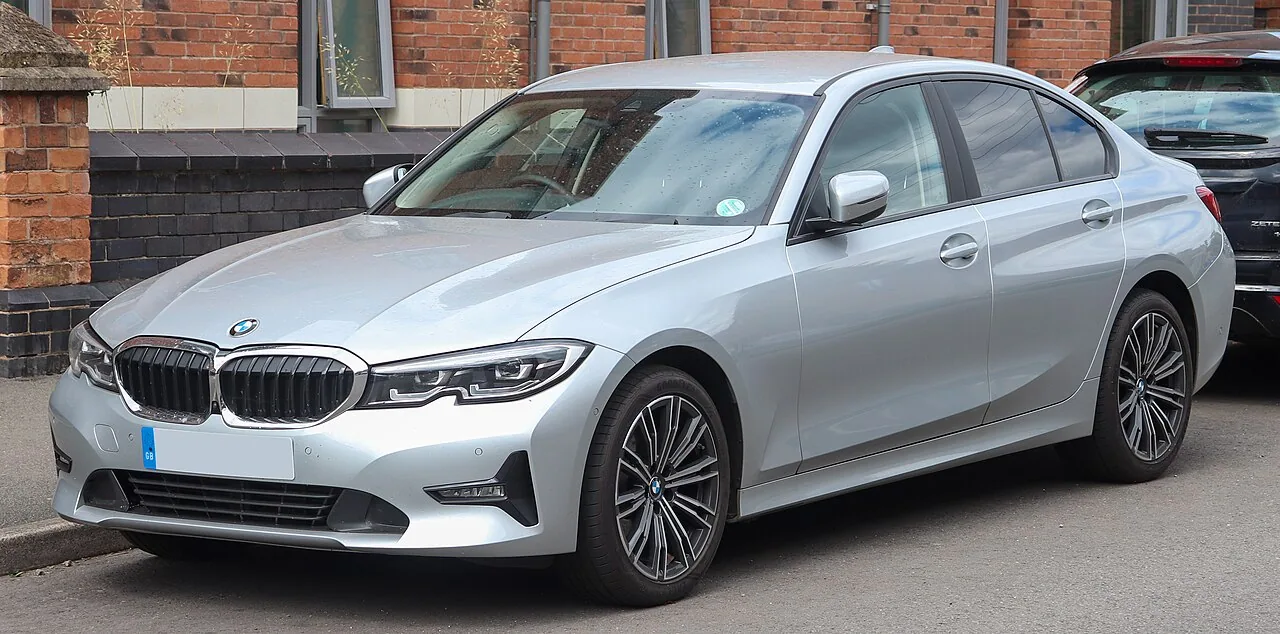
The BMW 5 Series mid-size sedan arrived in 1972, the BMW 3 Series compact sedans in 1975, the BMW 6 Series luxury coupés in 1976, and the BMW 7 Series large luxury sedans in 1978. Also in 1978, BMW's M division released its first road car, the M1, a mid-engine supercar. The M5 high-performance sedan followed in 1984, the M3 in 1986, and that same year BMW introduced its first V12 engine in the 750i luxury sedan. The two-seat BMW Z1 roadster of 1989 marked BMW's return to open sports-car production.
Global manufacturing and brand structure
BMW AG assembles vehicles at plants across Germany, the United Kingdom, the United States, Brazil, Mexico, South Africa, India, and China, reflecting the group's status as a genuinely global operation rather than a purely European one.
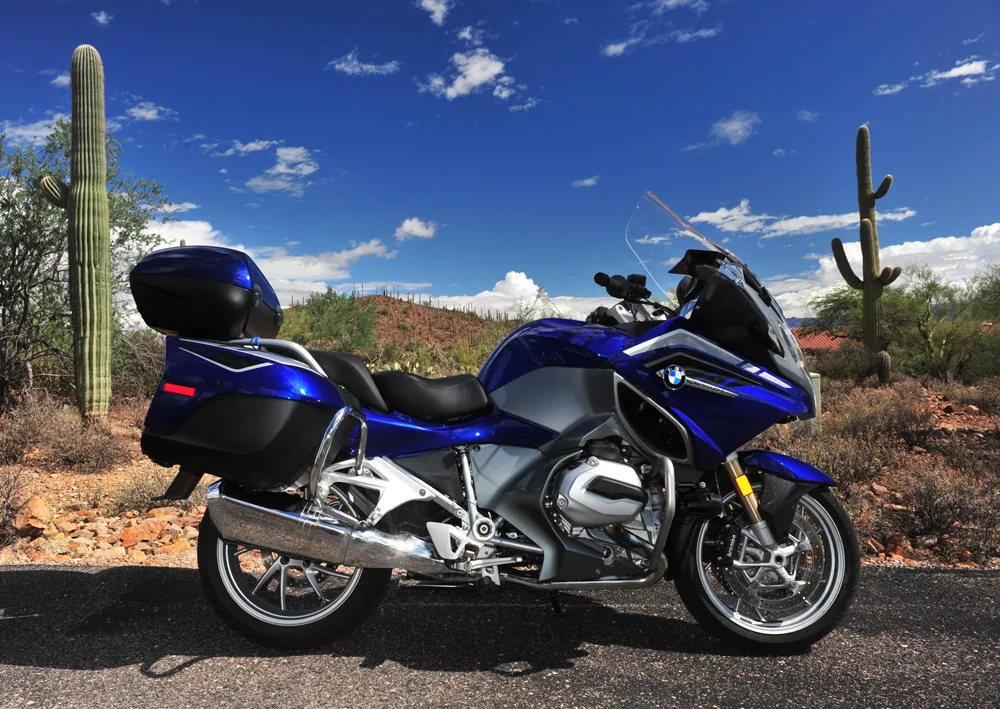
The BMW Group encompasses three automotive brands: BMW itself, Mini, and Rolls-Royce, alongside the BMW Motorrad motorcycle brand. This portfolio positions the group across different luxury and premium segments of the global vehicle market.
Motorsport
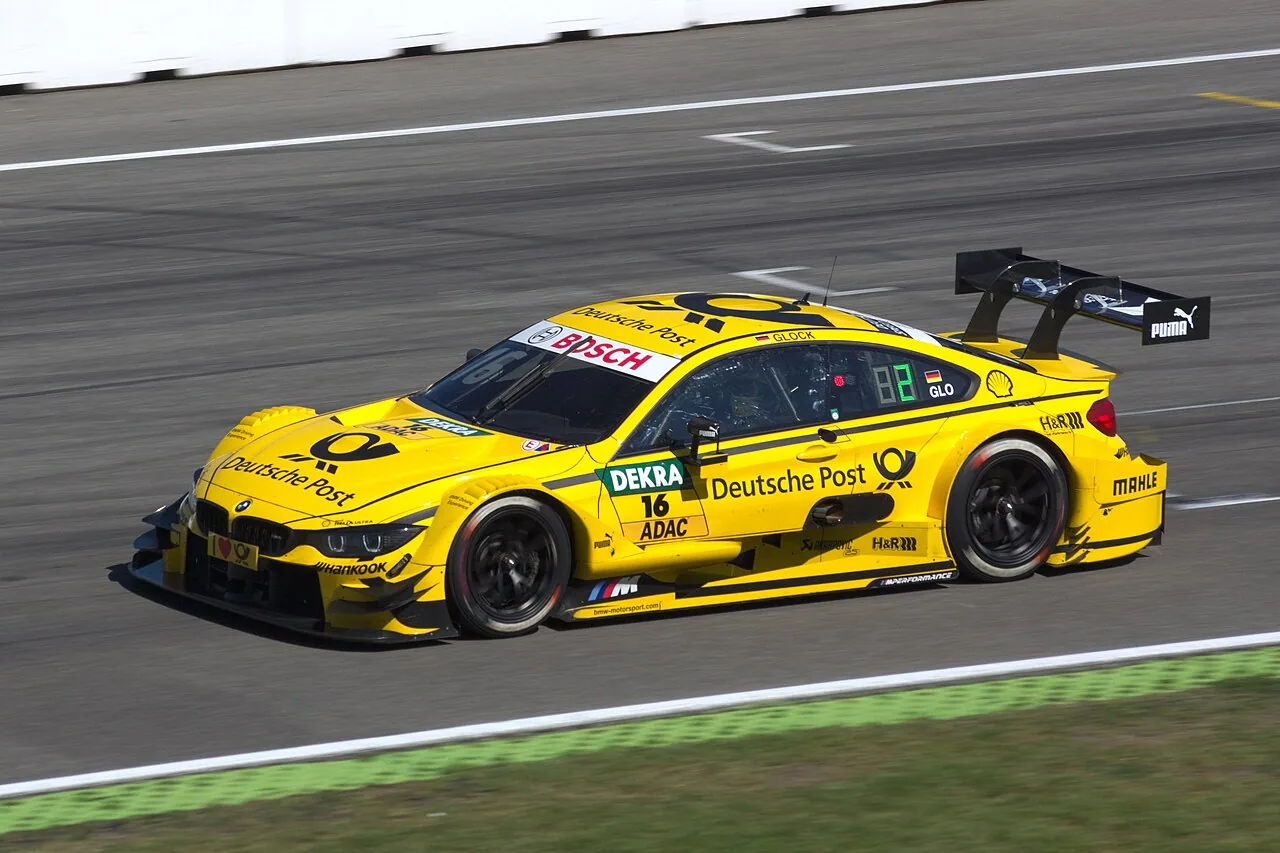
BMW has accumulated a substantial motorsport record, with particular strength in touring-car racing, sports-car competition, and the Isle of Man TT motorcycle races. These activities have historically reinforced the brand's association with performance engineering.
The creation of the M division and the production of dedicated road cars such as the M1, M3, and M5 gave the motorsport programme a direct commercial expression, translating racing development into vehicles available to private buyers.
Frequently asked questions
What does BMW stand for?
BMW is an abbreviation of Bayerische Motoren Werke, which translates from German as Bavarian Motor Works. The name was first used when Rapp Motorenwerke renamed itself BMW GmbH in 1917, and was subsequently adopted by Bayerische Flugzeugwerke in 1922 when it absorbed the name and assets of that company.
When did BMW start making cars?
BMW entered automobile manufacturing in 1928 through the acquisition of Fahrzeugfabrik Eisenach. That factory was already producing a licensed version of the Austin 7, sold as the Dixi, and the first car badged as a BMW was the 3/15, which was essentially a rebadged Dixi.
Who saved BMW from bankruptcy in 1959?
Brothers Herbert Quandt and Harald Quandt made a large investment in BMW in 1959 that prevented the company from being absorbed by Daimler-Benz. The Quandt family has remained a long-term shareholder ever since, with the remaining shares held by the public.
What was BMW's first motorcycle?
BMW introduced its first complete motorcycle, the R32, in 1923. The company had diversified into motorcycle engines after the First World War before producing the R32 as its initial full motorcycle model.
What was BMW's first M division road car?
The M1, a mid-engine supercar, was the first road car released by BMW's M division, in 1978. The M5 performance sedan followed in 1984 and the M3 compact performance car in 1986.
How did BMW survive after the Second World War?
Allied bombing had heavily damaged BMW's factories, and postwar occupation authorities prohibited the remaining West German facilities from producing motor vehicles or aircraft. The company kept itself solvent by manufacturing pots, pans, and bicycles until motorcycle production resumed in 1948 and car production restarted in 1952 with the 501 luxury saloon.
Where are BMW vehicles manufactured today?
BMW AG operates manufacturing facilities in Germany, the United Kingdom, the United States, Brazil, Mexico, South Africa, India, and China. This network of plants across four continents supports the group's position as one of the world's largest motor-vehicle producers.
Which car brands does the BMW Group own?
The BMW Group markets automobiles under three brands: BMW, Mini, and Rolls-Royce. Motorcycles are sold under the BMW Motorrad brand, which operates as a distinct marque within the group.
Sources
- Wikipedia: BMW — Factual basis of this entry